Text from the newspaper *Savo*, November 30, 1950
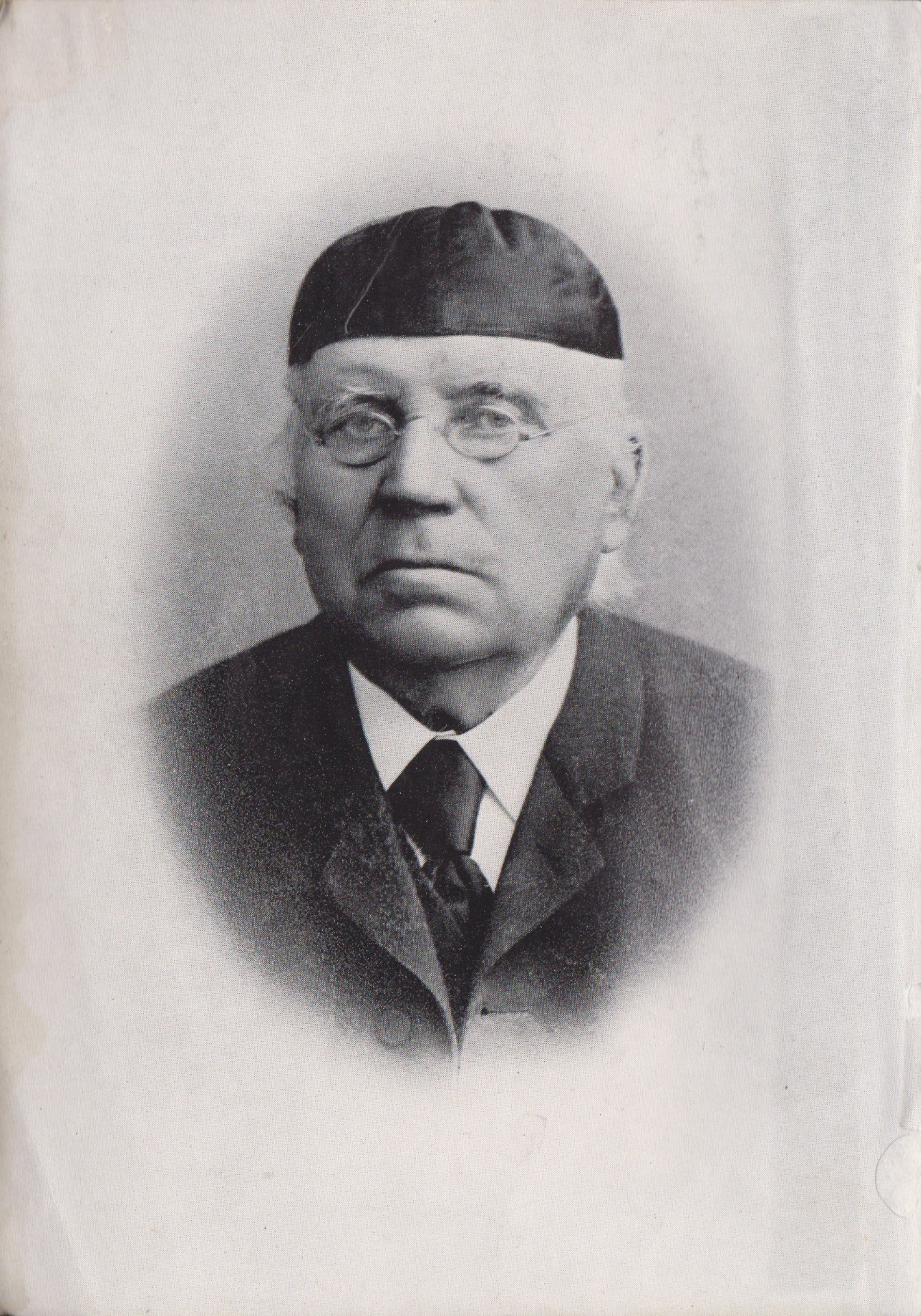
When the undersigned, a young man who had recently graduated from business school, spent a couple of years as a clerk and chief accountant for the then well-known country merchant and versatile businessman Petter Lyytikäinen in Saarela, Pielavesi, also known as “Pietarhovi”, many amusing and unusual incidents remained in memory, suitable for comparison with the business practices and methods of today.
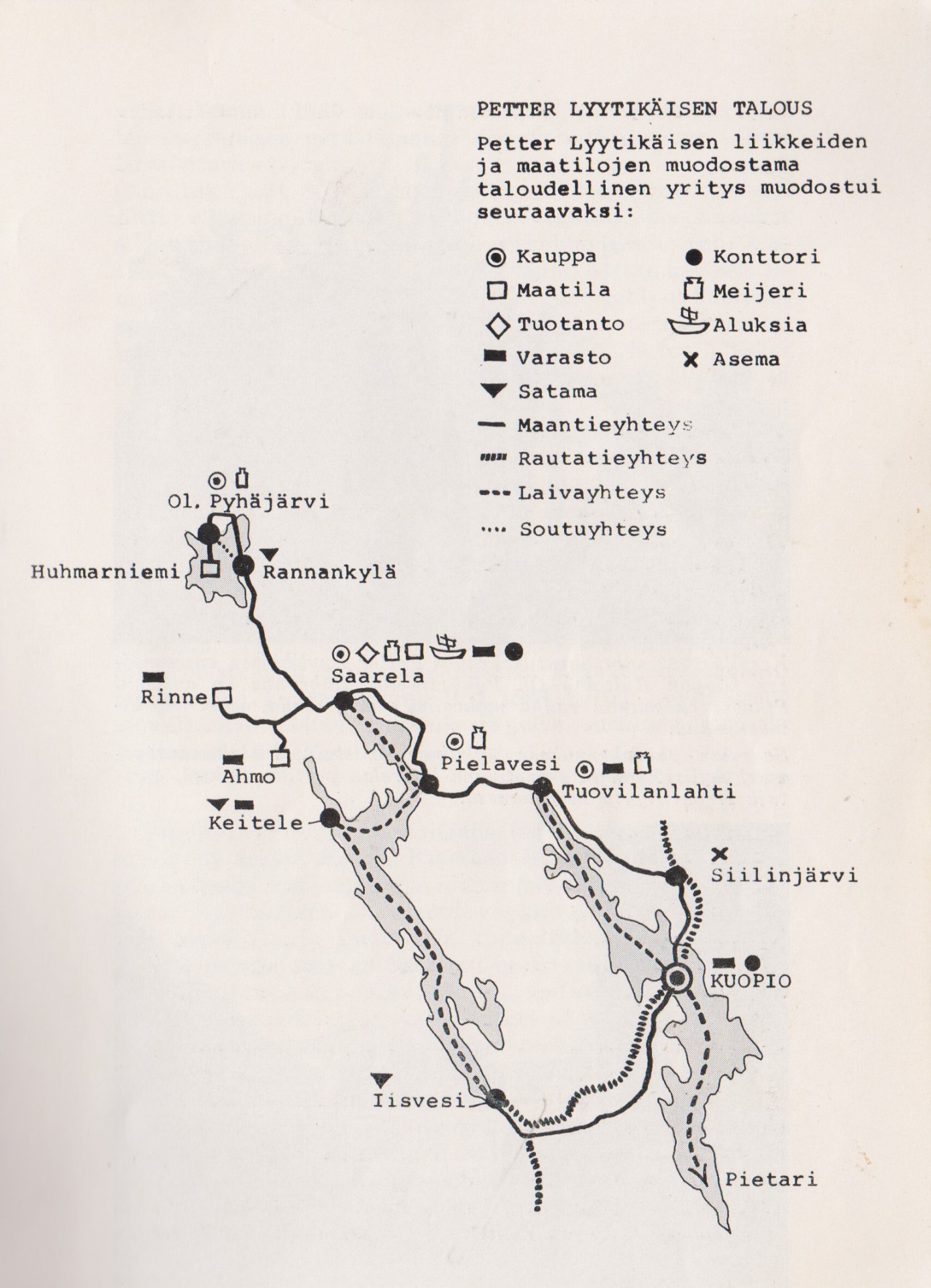
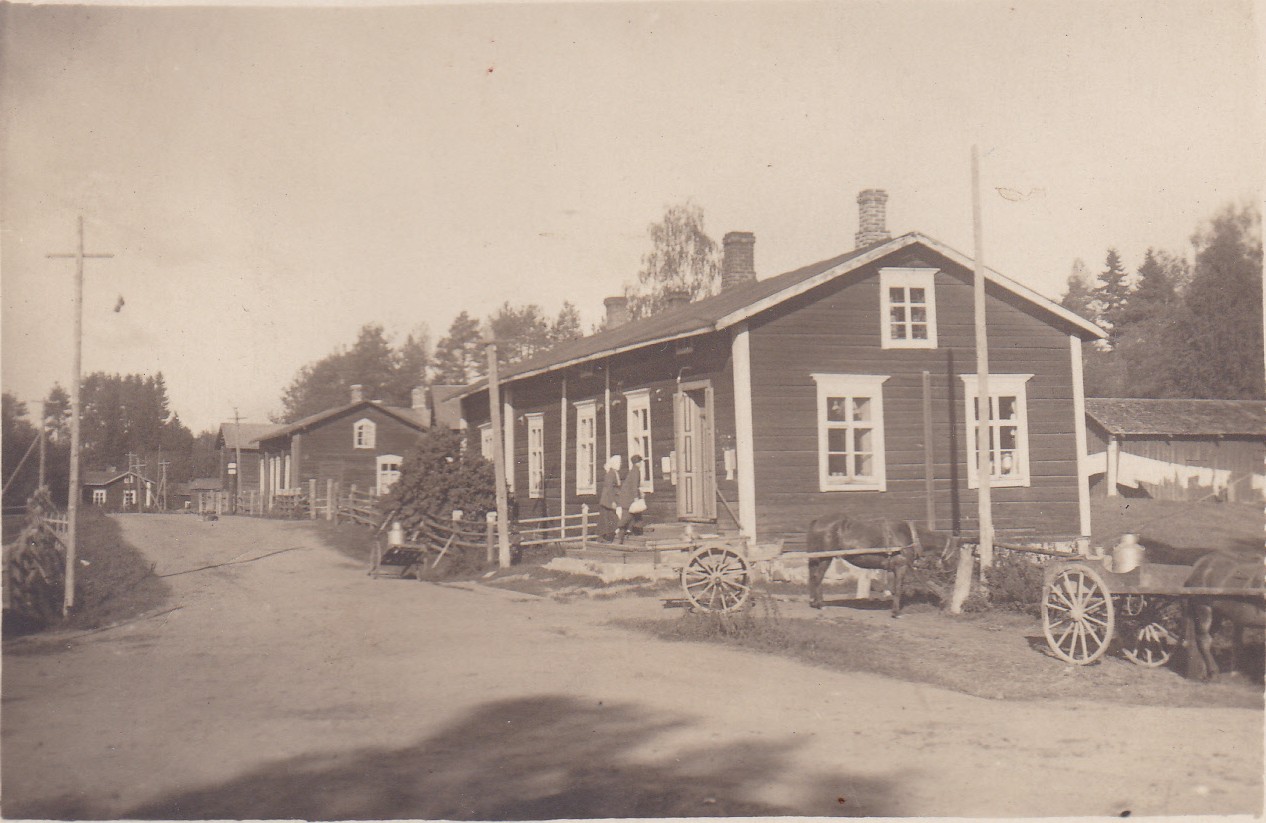
The events described took place in the years 1907–1908. By then, the aforementioned merchant had just passed his 80th birthday, so he already had a long career behind him as a country merchant. He had started his country store on the Saarela estate in Pielavesi around the 1860s, when he became the resident son-in-law of the Saarela estate and soon after acquired the property into his own ownership. In the early days of his business, he had been able to sell, among other things, homemade spirits in his shop, since at that time it was permitted to distil and produce it at home, and only “in the year ’66 the Finnish law was renewed, distilling spirits was forbidden, and drinking days were abolished.” Being an energetic man, Lyytikäinen then began to expand his business and make it more diverse over the years, so that in my time he had, in addition to the main premises he owned, branch stores at Pyhäjärvi church village (“Kultala”), at Pielavesi church village (“Rantala”) and in Tuovilanlahti, as well as purchasing dairies in these locations and also in Saarela, where more than 100 drittels of butter were produced each week at the dairy for export.
In addition, he had his own leather factory in Saarela and a mill at Äyskoski, and in Saarela the office of the Pielavesi–Iisvesi Steamship Company was also managed. The company’s ships, “H. G. Porthan” and “Nilakka”, carried passengers and freight in the aforementioned waterways. The founder, largest shareholder and director of this shipping company was Lyytikäinen, and likewise he held a majority in the Maaninka shipping company.
Although grain was milled for sale at the Äyskoski mill as well, it was far from sufficient, so every autumn at least 5,000 sacks of rye flour were purchased as winter stock for the shops. At that time the sacks weighed 72 kilos and cost about 20 marks per sack. The purchase point for country butter and other rural products, such as hides, tallow, lingonberries and so on, was in Kuopio, where the merchant’s son, Master Lyytikäinen, was in charge. From Kuopio he also handled foreign trade, both sales and purchases, but all main bookkeeping was kept in Saarela.
On one occasion, 10,000 calfskins were sold in advance to Germany before a single hide had yet been bought into stock. This started an intense hide‑buying campaign, and as Lyytikäinen’s buyers went from market to market, and in addition Master Lyytikäinen in Kuopio and all their own shops bought hides, the required quantity was obtained and delivered to Germany on time.
On top of all this, for several decades Lyytikäinen bought the grain and butter receivables of the clergy in Savo and Southern Ostrobothnia, at a time when pastors were generally paid in kind and sold all their annual receivables in a lump sum to Lyytikäinen. With his men, Lyytikäinen then collected these from the parishioners, often recovering the remainder through distraint from those who had not paid during the regular collection rounds. From this he accumulated a considerable amount of merchandise for his shops.
But Lyytikäinen did not engage only in trade and industry; at the same time he also carried on quite substantial farming on his Saarela estate, which had about 100 hectares of cultivated land, as well as on the equally large Rinne estate in the municipality of Keitele. Both of these estates, or rather manors, were in good agricultural condition, and almost all job seekers were taken on there for work, both in winter and in summer. In winter, a man was paid 15 pennies an hour for outdoor work with his own board, and for handicraft work anyone who wished could earn 10 pennies an hour. Board was charged at 60 pennies per day for those who wanted to live and eat in the house. In summer, during the haymaking season, the best men’s wages were 2.50 per day with the house providing food. Since Saarela housed the main shop, the head office, the dairy and a large farm, it can be inferred that the staff was large and diverse. When a commercial apprentice was taken into the house, a five‑year apprenticeship contract was made, and it was understood that in the first year the apprentice had to do very hard physical work, including threshing in the barn, and ate at the workers’ table, with no cash wages at all for the first year, only board and lodging. But already in the second year one could eat at a better table and take part to some extent in warehouse work on the commercial side, though usually not in sales until the third year, and the cash salary then began to rise a little year by year according to ability and diligence. Everyone, up to the office staff, was paid only an annual salary in cash, with maintenance provided by the house, so no one received a monthly wage. Everything was run in a patriarchal manner. The younger always had to listen to and obey the respected elder. On the eve of major holidays, the shops and offices were closed already after midday and people went to the sauna during the day, but after bathing the shop could still be opened if customers arrived. Lyytikäinen himself would calculate from the almanac about half a year in advance when in the following year he would have to be, for example, at Haapavesi church in connection with the pastor’s collection of dues, and at that time the money for the church collection was already set aside in his purse. Such was his thoroughness and consistency, and if, while driving through the parish by horse, he had to stop and speak with a workman, he usually paid the man 25 pennies for the time lost. Since there were hundreds of people in the Saarela estate’s dependent population, many of them working for the house, it sometimes happened that a maid and a farmhand were found together at night, and this was reported to the “old man”. This was followed by an inquiry, like a court session, in which the “old man”, as a former lay judge, acted as chairman and clerk, and then the parties and witnesses were examined, and most often the verdict was: Marry at once or leave the entire estate! And marry they usually did, once they had had time to consider the matter to that point.
That Lyytikäinen was already in those days a friend of enlightenment is shown by the fact that he had all three of his sons educated, although they too are now all dead, and none of their descendants are alive. The eldest son was a pastor and director of a school for the blind. The second was a Master of Arts, and the third a judge who, at the time of his death, was a Justice of the Supreme Court. Almost all of the daughters likewise received an academic education and learning. Merchant Lyytikäinen died at an advanced age, 86 years old, in 1916.